_edited.png)
THE BLUE HEART OF TURNEFFE: CALABASH CAYE


At 8:00 am on a Saturday morning, while the rest of Belize City was just waking up, five students from the University of Belize boarded a boat headed to the open blue of Turneffe Atoll, leaving the sleepy city behind. The overnight field trip was technically for an ecology class, but for my classmates and me, what we mostly cared about was getting away from the usual student life just a bit. Thirty-one hours with no deadlines, on a gorgeous island we had only seen in photos before, sounded exactly like the adventure everyone needed.
The boat ride took about ninety minutes on open water to Turneffe Atoll, the largest and most biologically diverse coral atoll in the Caribbean, about 20 miles (32 km) off the coast of Belize City. Most of the group headed to the front of the boat, but the back is always the best spot, as the refreshing splashes of water made the ride more fun, even under the hot sun. It was the perfect way to enjoy the full experience of the ride even if you’re guaranteed to get soaked. After a while, the ocean went from deep navy blue to a bright turquoise as the boat went farther, and by the time the island came into view, everyone was eagerly excited.
Though it’s a field research station, Calabash Caye isn’t some hidden, empty island; it’s actually a busy little island managed by the University of Belize and shared with international researchers, divers, and ecotourists who want to experience the Caribbean in a real way. The second we arrived and everyone stepped onto the dock, phone signals dropped completely, but no one seemed bothered. In a way, that was the whole point: to actually connect with each other and the nature around us.
By 1:00 pm, we had changed into long sleeved shirts, hats, and snorkeling gear, the official uniform for the rest of the trip. Then it was time for the first mission: a conch survey, the conch (Aliger gigas) being one of the most popular marine species in Belize. My group split up quickly. Yamilette, Elijah, and Orlando swam farther out where the water was deep enough to snorkel, while Zoe and I stayed close to the boat with a waterproof notebook, writing down the conch sizes, noting whether they were alive or dead, and using a measuring tape to track exactly how far out each had been found. Between the two of us, keeping track of which conch had already been measured took constant double-checking. It was easy to lose count and accidentally repeat data.
Later that afternoon, the boat went out farther to collect different types of algae. It's a forest of Sargassum and Turbinaria that keeps the reef alive. While searching for different algae, we found two sand dollars and a red heart urchin, small surprises that made the trip feel less like schoolwork and more like an afternoon of exploring.

Around 5:00 pm, the work slowed down just enough for us to admire the sunset, as the sky turned into shades of purple and pink that no phone camera could adequately capture. It was the perfect moment to sit by the shore, enjoy nature, and take some memorable pictures.
The adventure didn’t stop when it got dark. Around 8:00-9:00 pm, we went out one more time, now under a dark sky, using a net to collect plankton samples. Halfway through, two of my classmates started feeling seasick from the boat’s rocking. “I think I'm going to faint.” And, “Please, take me back to the station,” they groaned, half-joking and half-serious. Watching them struggle with seasickness while trying to hold onto the plankton net made the whole situation somewhat funny. Then, once we were all back at the station, we viewed the different plankton under a microscope. Observing these living creatures that support our entire fishing industry reminded us that the field trip was for important business.
The night ended with us stargazing until 11:00 pm. No city lights, just the sky crowded with
stars. We sat by the dock with the breeze blowing through, and the conversation turned into nonstop jokes. It had nothing to do with conchs or plankton, but our time together ended up being one of the best parts of the whole night before going to bed.
To see the island at its best means waking up at 4:00 am, and dragging Yamilette out of bed to watch the sunrise paid off. A little group of ducks swam across the sparkling water. Everything was quiet and still. It was a nice break before the rest of the group woke up.

Shortly after 8:00 am, right after breakfast, our journey into the mangroves began. We learned how their roots, called pneumatophores, stick up out of the mud like snorkels, and how their seeds grow while still attached to the parent tree before falling into the water. We did a short mangrove transect, which is a way to measure and study the area.
Afterward, we hiked the nature trail and crossed a narrow, weathered bridge that leads to the observation tower. The bridge shook with every step, but that made the experience even more exciting. The observation tower is the ultimate spot on the island for pictures. The contrast of the deep green of the forest against the vivid blue of the ocean and sky was striking.

Once we finished the mangrove examination, the clock started ticking. We made a quick return to the station for one last meal, then we started packing our bags and made a final sweep of the dorms. Finally, we loaded all our gear onto the boat. Leaving the island was bittersweet, especially looking back at the shore as the boat pulled away.
Such a trip is perfect for anyone who loves biology, nature, or just a bit of adventure. As
Belizeans, seeing the mangroves and marine life up close serves as a reminder of our incredible luck of having a world-class marine field station and a healthy marine ecosystem not far from the coast.
By the time our boat got back to Belize City, everyone was tired, a little sunburnt, and sleep-deprived. But there was one thing we all agreed on: thirty-one hours wasn’t nearly enough.
All photos were taken by the author.
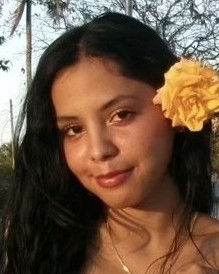
Jasmine Euceda is a Nursing major at the University of Belize. She lives in San Pedro Town and enjoys going on outdoor adventures, chasing sunsets, and exploring new places.


Comments